Winter Car Care Tips for Fort Worth Drivers
Texas Winters Are Unpredictable
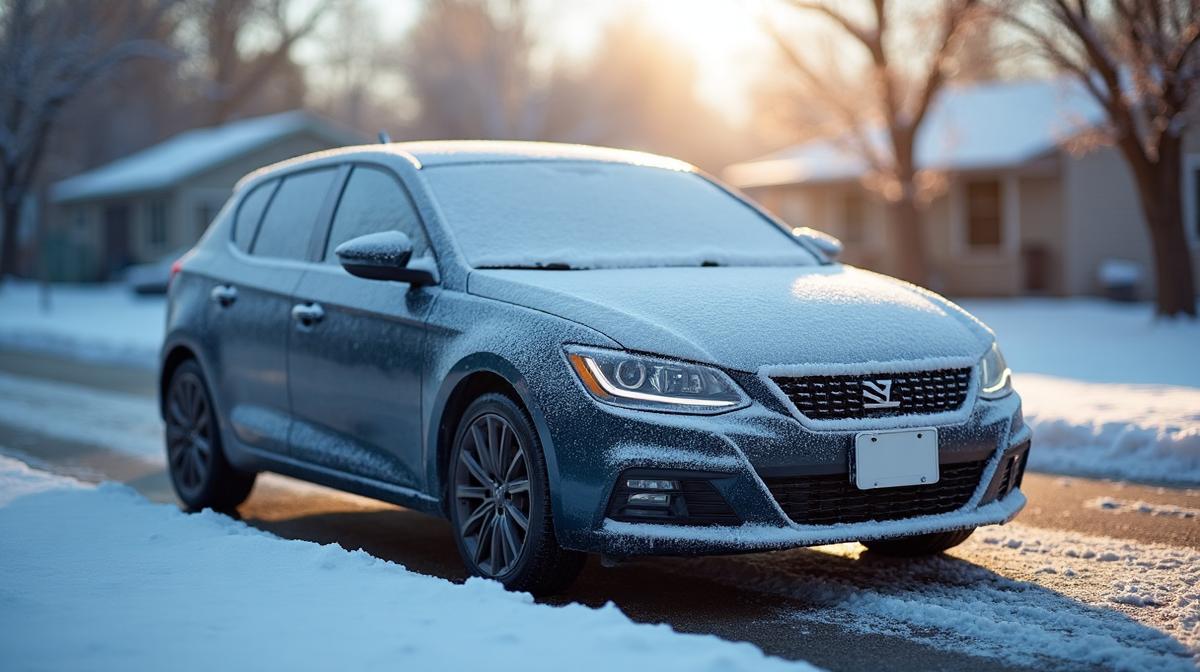
While Fort Worth doesn't see the harsh winters of northern states, our weather can change dramatically. One day it's 70°F, the next it's below freezing with ice on the roads. This unpredictability catches many drivers off guard.
Here's how to prepare your vehicle for whatever Texas winter throws at you. For a complete pre-winter checklist, also read our fall car maintenance guide.
Battery Care: Your #1 Winter Priority
Cold weather is the #1 killer of car batteries. Here's why:
- Chemical reactions in batteries slow down in cold temperatures
- Your engine requires more power to start when it's cold
- A battery that's "fine" in summer may fail in winter
Ironically, summer heat actually damages batteries more than cold—winter just reveals the damage.
What to Do:
Get your battery tested before winter arrives. Many auto parts stores offer free testing. If your battery is:
- More than 3 years old
- Showing any signs of weakness
- Has visible corrosion
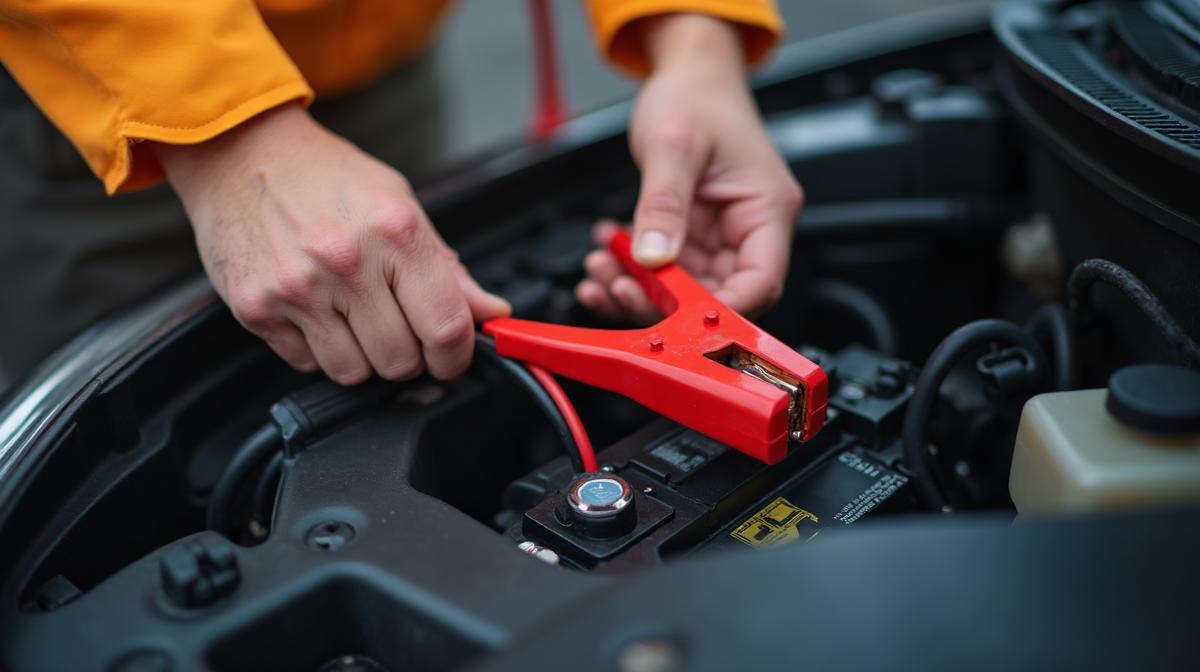
...consider replacing it before cold weather hits. If your battery does die, check out our guide on what to do when your car battery dies.
Keep terminals clean. Corrosion increases resistance and reduces power. Clean with baking soda and water, then apply dielectric grease.
Check the alternator. A failing alternator won't properly charge your battery, leaving you stranded.
Tire Safety for Cold Weather
Check Tire Pressure Weekly
For every 10°F drop in temperature, your tires lose about 1 PSI of pressure. Underinflated tires:
- Have less grip on cold or icy roads
- Wear unevenly
- Reduce fuel efficiency
Check your tire pressure when tires are cold (before driving) and inflate to the pressure listed on your door jamb sticker.
Inspect Tread Depth
The minimum legal tread depth is 2/32", but for wet or icy conditions, 4/32" is recommended. Use the penny test:
- Insert a penny into the tread with Lincoln's head down
- If you can see the top of his head, it's time for new tires
Got a flat? Read our guide on how to change a flat tire safely.
Consider Your Tire Type
While Fort Worth doesn't require winter tires, all-season tires with good tread are essential. If you frequently drive to areas with snow (like visiting family in the mountains), winter tires or tire chains may be worth considering.
Fluids and Antifreeze
Check Antifreeze/Coolant
Antifreeze does exactly what its name suggests—prevents your engine's cooling system from freezing. Have your cooling system tested to ensure:
- Proper antifreeze-to-water ratio (usually 50/50)
- No leaks in the system
- Antifreeze hasn't degraded
Windshield Washer Fluid
Switch to winter-rated washer fluid that won't freeze. This is especially important for clearing road salt, dirt, and ice from your windshield.
Oil Viscosity
In colder temperatures, oil thickens. Check your owner's manual for the recommended oil weight for winter driving. If you're due for an oil change, consider switching to a winter-weight oil.
Wipers and Visibility
Replace Worn Wipers
Wipers that leave streaks or miss spots are dangerous in winter rain or sleet. Replace them every 6-12 months, or as soon as they show wear.
Winter Wiper Blades
Consider winter wiper blades if you expect ice. They have a rubber boot that prevents ice buildup on the blade mechanism.
Keep Washer Fluid Full
You'll use more washer fluid in winter to clear road grime. Always keep it topped off.
Emergency Kit Essentials
Every car should have a winter emergency kit. In Texas, you might not need heavy arctic gear, but you should have:
- Flashlight with extra batteries
- Phone charger (portable battery pack)
- Blanket or emergency mylar blanket
- Water and snacks
- First aid kit
- Jumper cables
- Ice scraper (yes, even in Texas)
- Small shovel (for rare but possible snow/ice)
- Flares or reflective triangles
- Basic tool kit
Driving Tips for Texas Winter
When Ice is Possible:
- Slow down significantly—speed limits are for ideal conditions
- Increase following distance to 8-10 seconds
- Brake gently—sudden braking causes skids
- Watch for black ice, especially on bridges and overpasses
- Don't use cruise control on slick roads
If Roads Are Bad:
Consider whether your trip is essential. If not, stay home. Texas roads quickly become dangerous when ice hits because:
- We have fewer salt trucks and snow plows
- Many drivers aren't experienced with icy conditions
- Our roads aren't designed for ice
What to Do If You Get Stranded
If you break down in cold weather:
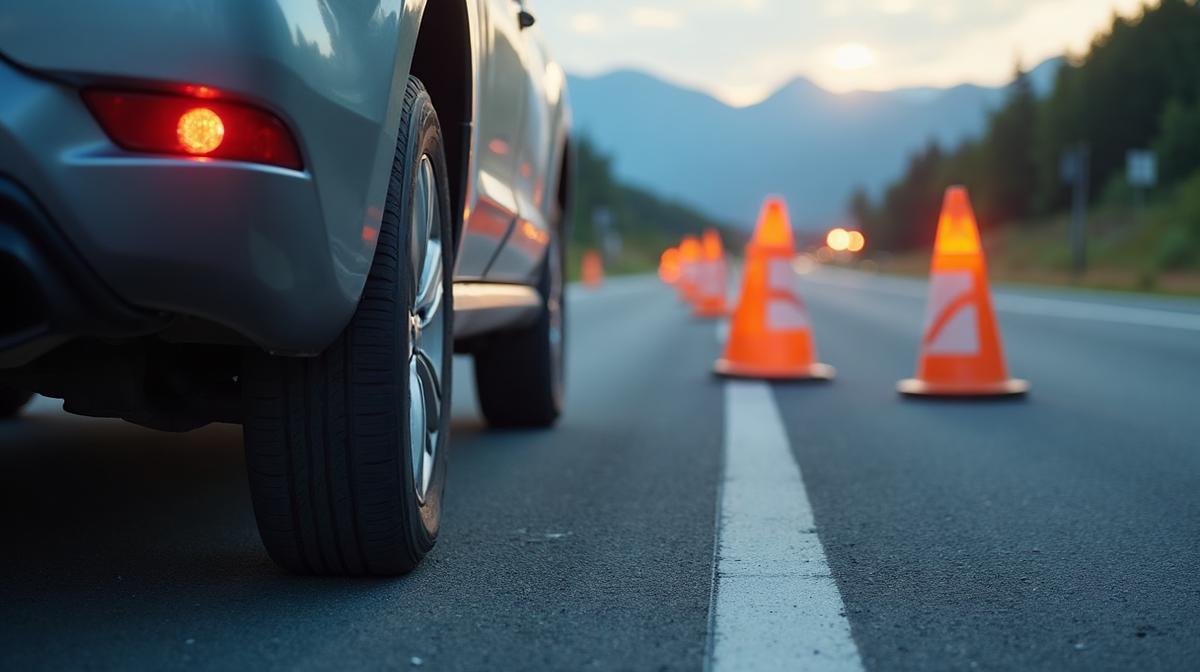
- Pull safely off the road
- Turn on hazard lights
- Stay with your vehicle unless you're in immediate danger
- Call for help (save our number: 817-201-9925)
- Run the engine sparingly for heat (crack a window to prevent carbon monoxide buildup)
- Stay visible with interior lights on at night
We're Here All Winter
Cold weather breakdowns are stressful, but you're never alone. Our team provides 24/7 roadside assistance throughout Fort Worth and the surrounding area, all winter long.
Whether you need a jump start, tire change, lockout service, or battery replacement, we'll get to you fast—even in bad weather.
Save our number: (817) 201-9925
Stay safe out there!
Continue Reading
Related Services in Fort Worth
Need help right now? We offer 24/7 professional roadside assistance across Fort Worth and 22 surrounding cities.
Jump Starts Across the Fort Worth Metroplex
We provide jump starts in all 22 cities we serve. Find your city below:
Also available in all cities:
Need Roadside Help Now?
Our team is available 24/7 for jump starts, lockouts, tire changes, and more throughout Fort Worth and the surrounding area.
4.9-star rated — Read 127+ customer reviews