Fall Car Maintenance: Prepare Your Vehicle for Texas Winter
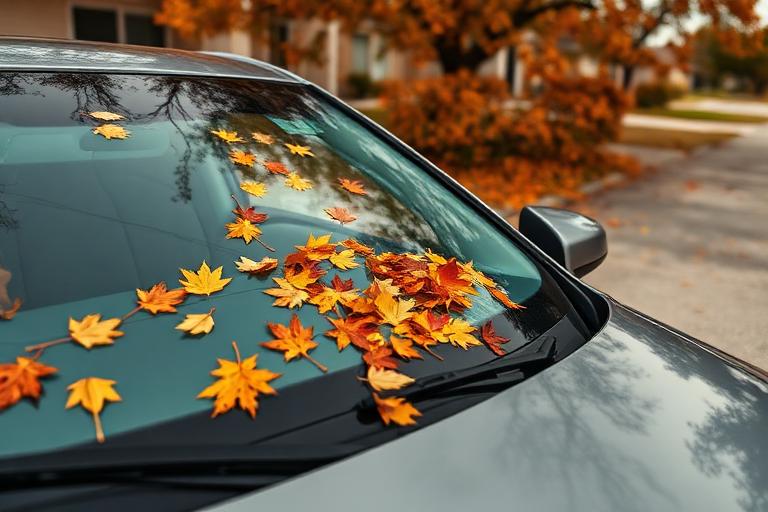
Why Fall Maintenance Matters in Texas
Texas winters are unpredictable. One week it's 70°F, the next we're dealing with ice storms and freezing temperatures. Your car has been working hard all summer in extreme heat—now it needs attention before the cold arrives.
Summer heat damages batteries and causes tire blowouts—fall is when you address that damage.
Fall is the ideal time to:
- Address heat damage from summer
- Test systems that will be critical in cold weather
- Replace worn components before they fail
- Prepare for sudden temperature drops
Here's your complete fall maintenance checklist. For winter driving tips once the cold arrives, see our winter car care guide.
Heating System Check: Don't Wait Until You Need It
Your car's heater has been dormant for 6+ months. The first cold morning isn't the time to discover it doesn't work.
How Your Car's Heater Works
Unlike home heating, your car's heater uses waste heat from the engine:
- Hot coolant flows through the heater core (a small radiator behind the dashboard)
- A blower fan pushes air through the heater core
- Warm air flows into the cabin through vents
If any part of this system fails, you get no heat—or worse, a fogged-up windshield you can't clear.
Signs Your Heater Needs Attention
- No heat at all: Could be low coolant, stuck thermostat, or failed heater core
- Weak heat: Possible clogged heater core or low coolant
- Sweet smell inside car: Coolant leak in heater core (potentially dangerous)
- Fogging windows that won't clear: Heater core leak
- Only hot on one side: Blend door actuator problem
- Blower doesn't work: Failed blower motor or resistor
DIY Heater Check
- Start the engine and let it warm up (10-15 minutes)
- Turn heater to max heat
- Set fan to high
- Check all vents: Air should be hot from all of them
- Test defrost mode: Should clear a fogged windshield quickly
- Listen for unusual noises: Clicking, grinding, or squealing
If anything seems off, get it checked before winter arrives.
Battery: The #1 Winter Failure Point
Summer heat is what damages batteries, but cold weather is when they fail. A battery that barely survived summer won't make it through the first freeze. Learn more about why heat kills batteries faster than cold.
Why Cold Weather Kills Weak Batteries
- Cold oil is thicker, requiring more power to crank the engine
- Chemical reactions in batteries slow down in cold temperatures
- A battery at 32°F has only 65% of its warm-weather power
- At 0°F, that drops to about 40%
If your battery does die this winter, check out our guide on what to do when your car battery dies.
Fall Battery Checklist
Get a free battery test: Most auto parts stores test batteries for free. They'll tell you:
- Current charge level
- Cold cranking amps (CCA)
- Overall health rating
- Estimated remaining life
Check the age: Look for a date sticker on the battery. In Texas, batteries over 3 years old are at high risk.
Inspect terminals: Clean any corrosion with baking soda and water. Apply dielectric grease to prevent new buildup.
Check connections: Cables should be tight and secure.
Look at the case: Swelling, cracks, or leaks mean immediate replacement.
When to Replace
Don't gamble with an aging battery. Replace if:
- It's over 3 years old
- It tests "marginal" or "needs charging"
- It struggles to start your car even once
- The case is damaged
A new battery costs $100-200. Being stranded in freezing weather? Priceless discomfort.
Coolant/Antifreeze: Your Engine's Winter Protection
Despite the name, antifreeze works year-round. It prevents freezing in winter and overheating in summer. Fall is the time to check it.
What to Check
Level: Check when the engine is cold. The reservoir should be between MIN and MAX marks.
Condition: Coolant should be bright and clear (green, orange, or pink depending on type). If it's:
- Brown or rusty: Contaminated, needs flush
- Milky: Possible oil contamination (serious problem)
- Low repeatedly: You have a leak
Freeze protection: You can buy a coolant tester for $5-10 at any auto parts store. In Texas, protection to 0°F is usually sufficient.
When to Flush
Coolant should be flushed every 30,000-50,000 miles or 5 years, whichever comes first. If you can't remember when it was last done, fall is a good time.
Tire Inspection and Preparation
Your tires are the only thing connecting your car to the road. In cold, wet, or icy conditions, they're even more critical.
Fall Tire Checklist
Check tire pressure: As temperatures drop, tire pressure decreases (about 1 PSI for every 10°F). Check and adjust to the door jamb specification.
Inspect tread depth: Use the penny test. Insert a penny head-first; if you see all of Lincoln's head, you need new tires.
Look for wear patterns:
- Center wear: Overinflation
- Edge wear: Underinflation
- One-sided wear: Alignment problem
- Cupping/scalloping: Suspension issue
Check tire age: Tires older than 6 years should be replaced regardless of tread depth.
Consider your driving: If you regularly travel to areas that get ice or snow, consider all-season or winter tires.
Spare Tire Check
Don't forget the spare! Check:
- Air pressure (often requires 60 PSI for compact spares)
- Condition (cracks, dry rot)
- Jack and tools are present and functional
Windshield Wipers and Washer Fluid
Fall brings rain, and winter brings ice and road spray. Good wipers and proper fluid are essential.
Replace Wipers If You See
- Streaking or smearing
- Chattering or skipping
- Torn or cracked rubber
- Bent or damaged frames
Quality wipers cost $15-25 each and take 5 minutes to install. Don't wait until a rainstorm to discover they don't work.
Washer Fluid
Switch to winter-rated washer fluid that:
- Won't freeze in cold temperatures (check the label)
- Helps melt light ice and frost
- Cuts through road salt and grime
Never use plain water—it freezes and can crack your washer reservoir.
Lights and Visibility
Days get shorter in fall. Make sure all your lights work properly.
Check All Lights
- Headlights (low and high beam)
- Taillights
- Brake lights
- Turn signals (front and rear)
- Hazard lights
- Reverse lights
- License plate light
Headlight Restoration
Foggy, yellowed headlights reduce visibility significantly. Restoration kits cost $15-30 and can make a big difference.
Brakes Inspection
Cold and wet conditions demand reliable brakes. Fall is a good time for a brake check.
Warning Signs
- Squealing or squeaking: Wear indicators
- Grinding: Metal on metal (immediate attention needed)
- Vibration when braking: Warped rotors
- Pulling to one side: Uneven wear or stuck caliper
- Soft brake pedal: Air in lines or worn pads
If you notice any of these, get your brakes inspected before winter weather arrives.
Emergency Kit Update
Update your emergency kit for cold weather:
Essential Items
- Warm blanket or sleeping bag: Hypothermia is a real risk if stranded
- Extra warm clothes: Gloves, hat, warm socks
- Flashlight with fresh batteries
- Phone charger: Portable battery pack
- Water and non-perishable snacks
- First aid kit
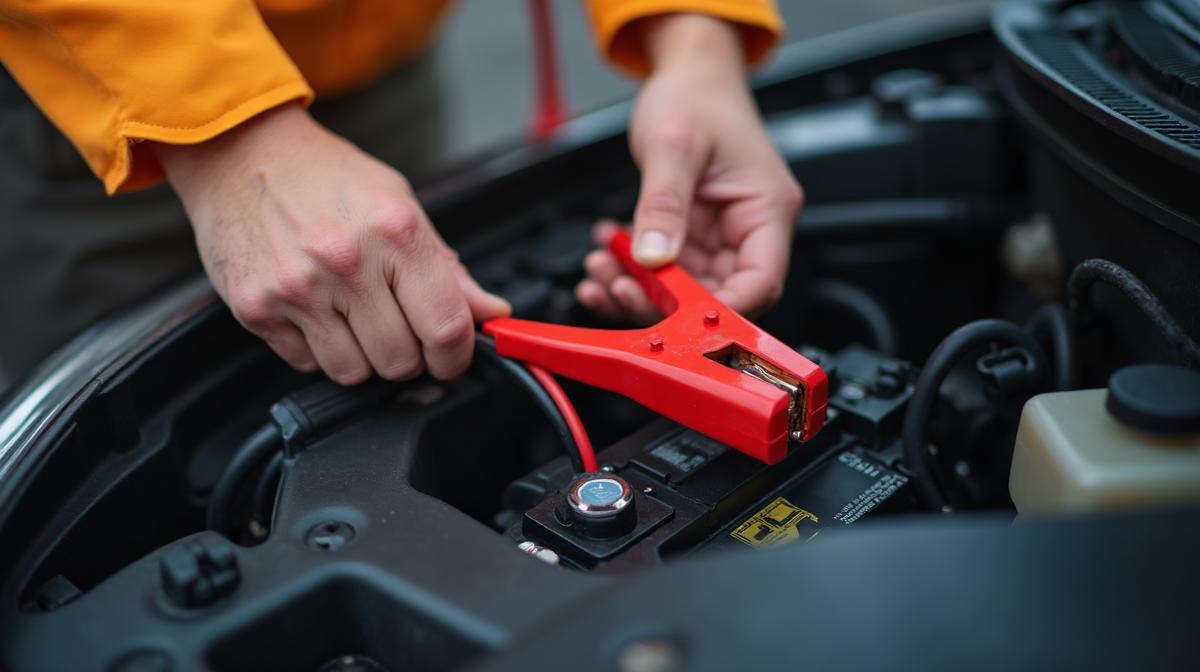
- Jumper cables or portable jump starter
- Ice scraper and snow brush
- Small shovel: For digging out if stuck
- Cat litter or sand: For traction on ice
Keep Your Tank Full
In cold weather, keep your fuel tank at least half full:
- Prevents fuel line freezing
- Gives you more options if stranded
- Allows running the heater while waiting for help
When You Need Roadside Help
Even with perfect maintenance, breakdowns happen—especially during sudden cold snaps when everyone's car is stressed. If you find yourself stranded in Fort Worth or the surrounding area, we're here 24/7:
- Jump starts: For batteries that won't turn over in the cold
- Lockout service: Cold fingers and rushing lead to locked keys
- Tire changes: Cold makes flats more common
- Battery replacement: We bring a new battery to you
Save our number: (817) 201-9925
Continue Reading
Related Services in Fort Worth
Need help right now? We offer 24/7 professional roadside assistance across Fort Worth and 22 surrounding cities.
Battery Replacement Across the Fort Worth Metroplex
We provide battery replacement in all 22 cities we serve. Find your city below:
Also available in all cities:
Need Roadside Help Now?
Our team is available 24/7 for jump starts, lockouts, tire changes, and more throughout Fort Worth and the surrounding area.
4.9-star rated — Read 127+ customer reviews