Why Texas Summers Cause Tire Blowouts (And How to Prevent Them)
Why Texas Summers Are Brutal on Tires
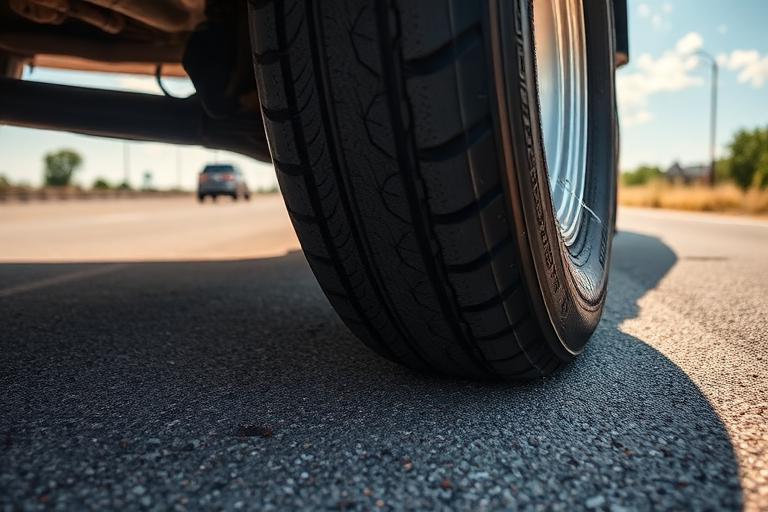
When summer temperatures hit triple digits, the pavement can reach 150°F or higher. Your tires are literally driving on a frying pan. This extreme heat causes:
- Rubber degradation: Heat breaks down the chemical bonds in tire rubber
- Increased air pressure: Hot air expands, potentially overinflating your tires
- Accelerated wear: Soft, hot rubber wears faster
- Weakened sidewalls: The structural integrity of your tires decreases
Add in long highway drives at 75+ mph, and you have a recipe for a blowout. Heat also destroys your car battery—it's truly brutal on all vehicle components.
Warning Signs Your Tires Are at Risk
Watch for these indicators before disaster strikes:
Visual Signs
- Cracks in the sidewall: Spider web patterns or deep cracks
- Bulges or blisters: Weak spots that can rupture
- Uneven wear patterns: Bald spots or worn edges
- Exposed cords: Metal wires visible through the rubber
While Driving
- Vibration: Unusual shaking through the steering wheel
- Pulling: Car drifts to one side
- Thumping sounds: Rhythmic noises from the tire area
- Soft handling: The car feels "floaty" or unresponsive
If you notice any of these, get your tires inspected immediately. Our spring maintenance checklist covers tire inspection in detail.
How to Prevent Summer Tire Blowouts
1. Check Tire Pressure Weekly
This is the #1 prevention method. In summer:
- Check pressure when tires are cold (before driving or after sitting for 3+ hours)
- Use the pressure listed on your door jamb sticker, not the tire sidewall
- Don't underinflate thinking it will help—underinflated tires run hotter
- Consider slightly higher pressure (1-2 PSI) for highway driving
Pro tip: Buy a quality tire pressure gauge and keep it in your glove box.
2. Inspect Tires Monthly
Look for:
- Tread depth (use the penny test: insert penny head-first; if you see Lincoln's entire head, replace the tire)
- Sidewall damage
- Embedded objects (nails, screws, glass)
- Signs of dry rot or cracking
3. Rotate Tires Every 5,000-7,500 Miles
Uneven wear weakens tires. Regular rotation ensures:
- Even tread wear across all four tires
- Extended tire life
- Better handling and safety
4. Replace Old Tires
Even if tread looks okay, tires older than 6 years should be replaced. Check the DOT code on your tire sidewall—the last four digits show the week and year of manufacture (e.g., 2319 = week 23 of 2019).
5. Avoid Overloading Your Vehicle
Check your vehicle's load capacity and don't exceed it. Extra weight:
- Increases tire temperature
- Puts more stress on sidewalls
- Reduces handling ability
6. Drive Smart in Heat
- Avoid high speeds during the hottest parts of the day
- Take breaks on long trips to let tires cool
- Don't drive on freshly paved roads if possible (they're even hotter)
- Reduce speed when you see heat waves rising from the pavement
What to Do During a Tire Blowout
Blowouts are terrifying, but staying calm saves lives.
Front Tire Blowout
- Don't brake suddenly—this can cause you to spin
- Grip the steering wheel firmly with both hands
- Gently accelerate to maintain control
- Gradually ease off the gas
- Steer straight until speed drops
- Carefully move to the shoulder
- Turn on hazards once stopped
Rear Tire Blowout
- Keep steering wheel steady
- Don't brake—let the car slow naturally
- Lightly accelerate if the car starts to sway
- Once stable, gradually slow down
- Pull off the road safely
After You've Stopped
- Get away from traffic if it's safe
- Set up reflective triangles or flares
- Call for professional help
- Don't attempt to change a tire on a busy highway—read our guide on how to change a flat tire safely to understand the risks
The Real Cost of Ignoring Tire Maintenance
A blowout isn't just inconvenient—it's dangerous:
- Loss of vehicle control at highway speeds
- Multi-vehicle accidents from sudden lane changes
- Rollovers, especially in SUVs and trucks
- Stranded in extreme heat, risking heat stroke
The cost of a new tire is nothing compared to the potential consequences.
Need Help After a Blowout?
If you experience a tire blowout in Fort Worth or the surrounding area, don't risk your safety trying to change it on a hot highway. Our technicians can:
- Safely change your tire
- Bring a replacement tire to your location
- Get you back on the road quickly
Available 24/7: (817) 201-9925
Stay cool, and drive safe this summer!
Continue Reading
Related Services in Fort Worth
Need help right now? We offer 24/7 professional roadside assistance across Fort Worth and 22 surrounding cities.
Tire Changes Across the Fort Worth Metroplex
We provide tire changes in all 22 cities we serve. Find your city below:
Also available in all cities:
Need Roadside Help Now?
Our team is available 24/7 for jump starts, lockouts, tire changes, and more throughout Fort Worth and the surrounding area.
4.9-star rated — Read 127+ customer reviews