Why Texas Heat Kills Car Batteries Faster Than Winter Cold

The Hidden Battery Killer: Heat
Most people think cold weather is the enemy of car batteries. But here's a surprising fact: heat damages batteries far more than cold.
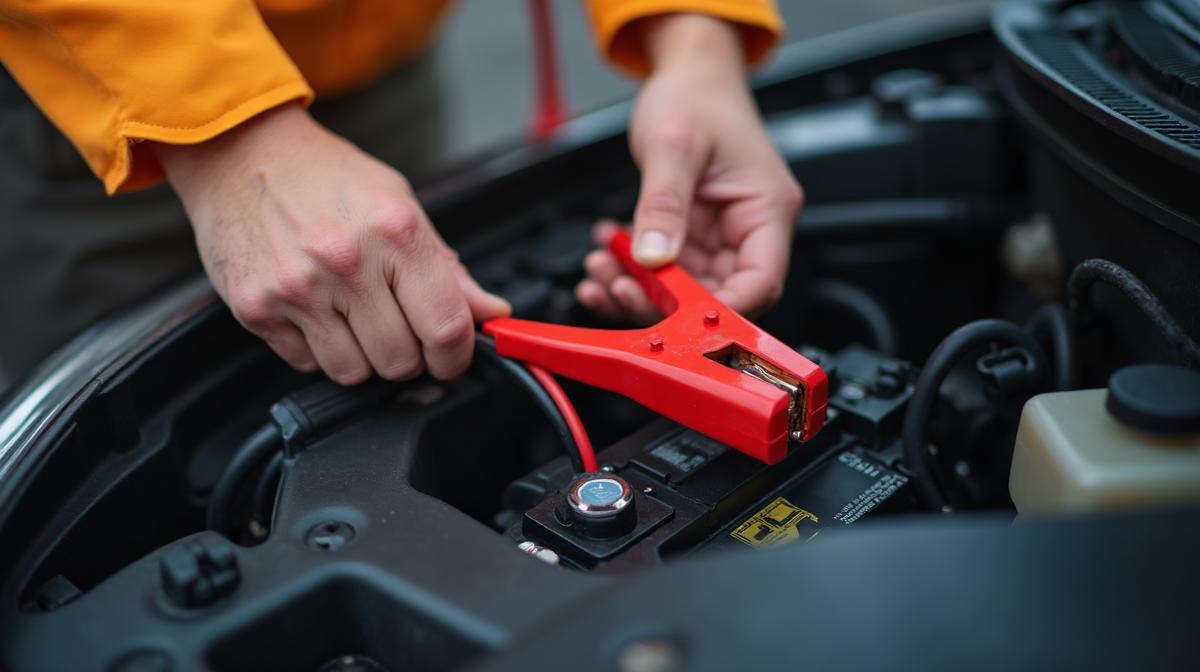
Cold weather reveals weak batteries—it takes more power to start a cold engine. But summer heat is what actually kills the battery in the first place. If your battery does die, check out our complete guide on what to do when your car battery dies.
How Heat Destroys Your Battery
1. Accelerated Chemical Degradation
Car batteries work through chemical reactions. High temperatures speed up these reactions—but also the harmful ones that break down internal components.
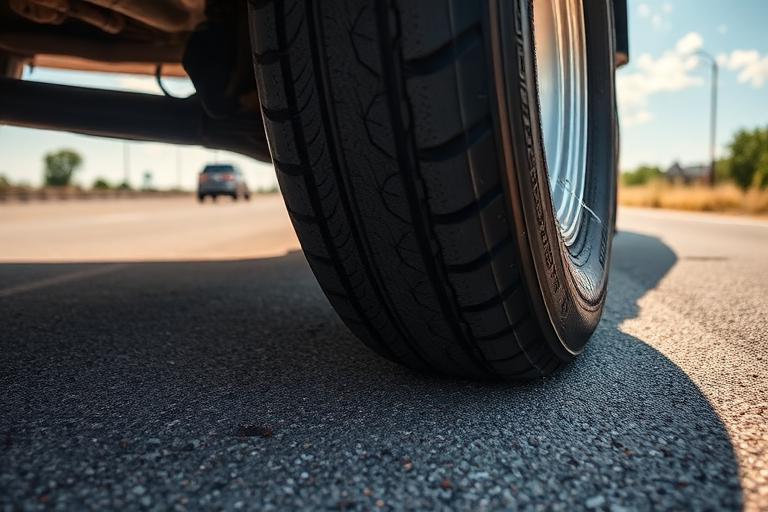
At 77°F, a battery might last 5 years. At 92°F, that drops to 2.5 years. In Texas summers, under-hood temperatures can exceed 140°F.
2. Fluid Evaporation
The electrolyte solution inside your battery (water and sulfuric acid) evaporates faster in heat. Low fluid levels:
- Reduce battery capacity
- Damage internal plates
- Can't be fixed—the damage is permanent
3. Increased Self-Discharge
Batteries slowly discharge when sitting. Heat dramatically increases this rate. A parked car in a hot parking lot is literally draining its own battery.
4. Corrosion Acceleration
Heat speeds up corrosion on battery terminals and cables. This creates resistance, making your battery work harder and die faster.
5. Sulfation Buildup
When batteries discharge, lead sulfate crystals form on the plates. Heat hardens these crystals, making them permanent and reducing battery capacity.
Signs Your Battery Is Struggling in the Heat
Watch for these warning signs:
- Slow engine crank: The engine turns over sluggishly
- Dim lights: Headlights or interior lights aren't as bright
- Electrical issues: Power windows move slowly, radio resets
- Swollen case: The battery looks bloated (a sign of overheating)
- Rotten egg smell: Sulfur odor indicates a failing battery
- Check engine or battery light: Dashboard warnings
- Age: Any battery over 3 years old in Texas is at risk
How to Protect Your Battery in Texas Heat
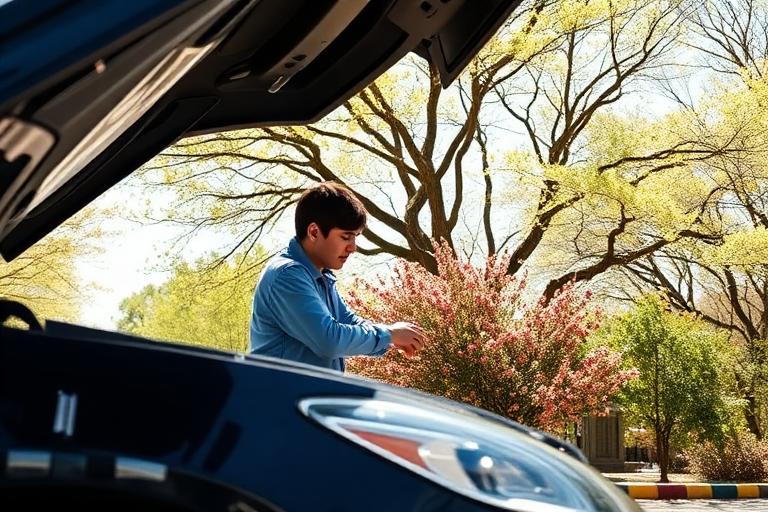
1. Park in Shade When Possible
This simple step makes a huge difference:
- Under-hood temperatures are significantly lower in shade
- Even partial shade (like under a tree) helps
- Use parking garages when available
- Consider a windshield sunshade
2. Keep Battery Terminals Clean
Corrosion builds up faster in heat. Monthly:
- Inspect terminals for white or bluish buildup
- Clean with baking soda and water mixture
- Apply dielectric grease to prevent new corrosion
- Ensure connections are tight
3. Get Regular Battery Tests
Many auto parts stores offer free battery testing. In Texas, we recommend:
- Testing twice a year (spring and fall)—see our spring maintenance checklist and fall maintenance guide
- Testing before any long road trip
- Testing any battery over 2 years old
- Testing after any extreme heat wave
4. Check and Maintain Fluid Levels
If your battery has removable caps:
- Check electrolyte levels monthly in summer
- Add distilled water if levels are low (never tap water)
- Don't overfill—fluid expands when hot
Note: Many modern batteries are "maintenance-free" with no caps. These still fail from heat—you just can't service them.
5. Limit Short Trips
Short trips don't give your alternator enough time to fully recharge the battery. In summer:
- Combine errands into longer trips when possible
- Take occasional 20+ minute drives
- Consider a battery maintainer if your car sits frequently
6. Reduce Electrical Load
The more your battery works, the faster it wears:
- Turn off AC before shutting off the engine
- Don't leave lights or accessories on when parked
- Unplug phone chargers when not in use
- Keep the audio system at moderate levels
7. Insulate Your Battery
Battery insulation kits are available and effective:
- Reduces heat absorption from the engine bay
- Can extend battery life by 1-2 years
- Relatively inexpensive and easy to install
When to Replace Your Battery
In Texas heat, don't wait for complete failure. Replace your battery if:
- It's 3+ years old (even if it tests "okay")
- It struggles to start even once
- It fails a load test at the auto parts store
- The case is swollen or damaged
- You're planning a summer road trip
Proactive replacement costs the same as emergency replacement—but without the stress of being stranded.
The True Cost of a Dead Battery in Texas Heat
Getting stranded with a dead battery in 100°F+ heat isn't just inconvenient—it's dangerous:
- Heat stroke risk while waiting for help
- Damaged electronics from failed charging attempts
- Towing costs if a jump doesn't work
- Late fees, missed appointments, and lost productivity
A new battery costs $100-$200. The cost of a heat-related emergency? Potentially much more.
We Bring the Battery to You
If your battery dies in the Fort Worth area, you don't have to wait for a tow or find a ride to an auto parts store. We offer:
- Mobile battery testing: We'll tell you honestly if you need a replacement
- On-site battery replacement: We bring quality batteries and install them where you are
- Professional installation: Memory savers to protect your settings
- Old battery recycling: We take the old one away
Call us 24/7: (817) 201-9925
Don't let Texas heat leave you stranded. If your battery is over 3 years old, get it tested today!
Continue Reading
Related Services in Fort Worth
Need help right now? We offer 24/7 professional roadside assistance across Fort Worth and 22 surrounding cities.
Battery Replacement Across the Fort Worth Metroplex
We provide battery replacement in all 22 cities we serve. Find your city below:
Also available in all cities:
Need Roadside Help Now?
Our team is available 24/7 for jump starts, lockouts, tire changes, and more throughout Fort Worth and the surrounding area.
4.9-star rated — Read 127+ customer reviews