How to Change a Flat Tire Safely on the Highway

The Reality of Highway Tire Changes
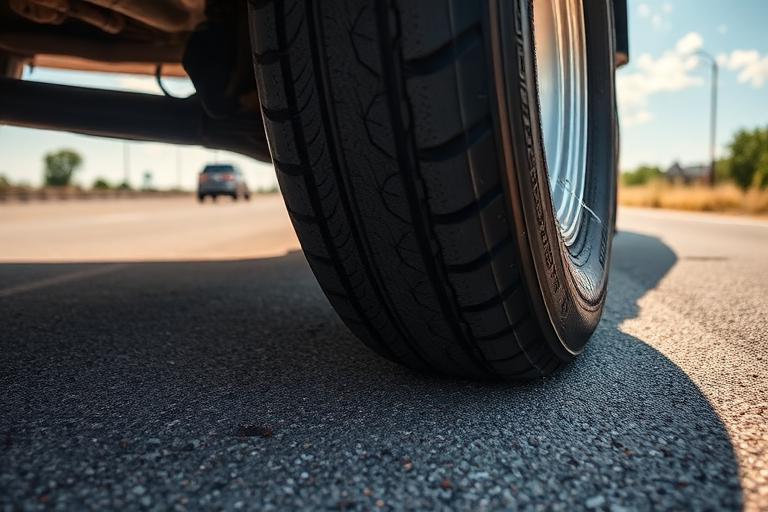
Changing a tire on the highway is one of the most dangerous roadside activities. According to the AAA, being struck by a passing vehicle while stopped on the roadside is a leading cause of roadside fatalities.
Before attempting a tire change on a busy highway, ask yourself: Is it worth the risk?
When to Call for Help Instead
Call a professional if:
- You're on a busy highway with no shoulder or narrow shoulder
- It's dark or visibility is poor
- Weather conditions are bad (rain, ice, extreme heat)
- You're in an unsafe area
- You don't have proper equipment
- You have physical limitations that make it difficult
- Your spare tire is flat or missing
- You're unsure how to do it safely
There's no shame in calling for help. Your safety is more important than saving time.
Essential Equipment You Need
Before you can change a tire, make sure you have:
- Spare tire (properly inflated!)
- Jack (rated for your vehicle's weight)
- Lug wrench (correct size for your lug nuts)
- Wheel wedges or bricks
- Flashlight with fresh batteries
- Reflective triangles or flares
- Gloves
- Rain poncho (optional but helpful)
- Your vehicle's owner manual
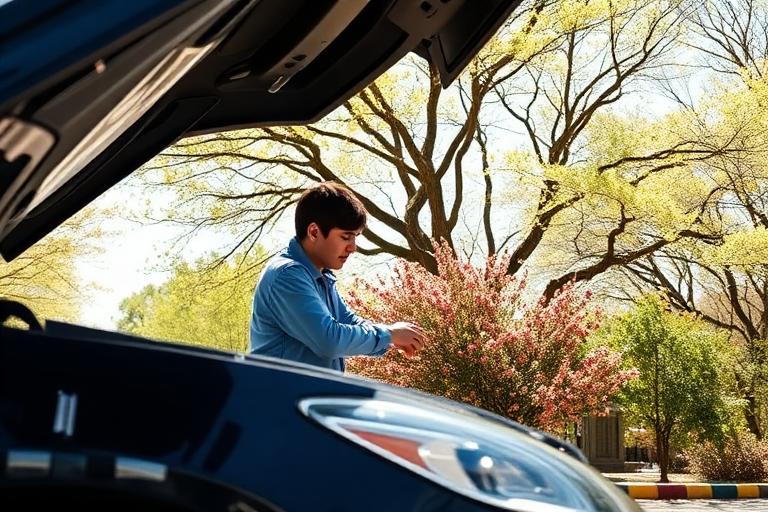
Pro tip: Check your spare tire's pressure every few months. A flat spare is useless in an emergency. Learn more in our spring car maintenance checklist.
Step-by-Step: Safe Highway Tire Change
1. Get to Safety First
- Turn on hazard lights immediately
- Slow down gradually—don't brake suddenly
- Pull as far off the road as possible
- Look for a straight stretch with good visibility
- If possible, exit and find a parking lot instead
2. Secure the Scene
- Keep hazard lights on
- Set up reflective triangles: one 10 feet behind, one 100 feet behind
- Apply parking brake
- Place wheel wedges behind tires (front if changing rear, rear if changing front)
3. Prepare for the Change
- Get all equipment out before starting
- Locate the jack points in your owner's manual
- Loosen lug nuts slightly BEFORE jacking (1/4 turn)
- Never loosen lug nuts while the car is jacked up
4. Jack Up the Vehicle
- Place jack on the designated jack point (check manual)
- Raise vehicle until flat tire is about 6 inches off the ground
- Never put any body part under a jacked vehicle
5. Change the Tire
- Remove lug nuts completely (keep them safe!)
- Remove the flat tire
- Mount the spare tire
- Hand-tighten lug nuts in a star pattern
6. Lower and Finish
- Lower vehicle until spare touches ground but doesn't bear full weight
- Tighten lug nuts fully in star pattern
- Lower vehicle completely
- Remove jack
- Check lug nut tightness one more time
7. Clean Up and Go
- Stow all equipment
- Put flat tire in trunk
- Drive to a service station to check spare pressure
- Get your flat repaired or replaced ASAP
Important Safety Tips
Stay Visible
- Keep hazard lights on the entire time
- Wear bright or reflective clothing if available
- Work on the side away from traffic
Watch for Traffic
- Stay aware of approaching vehicles
- If a car seems to be heading toward you, move away immediately
- Don't turn your back to traffic for extended periods
Know Your Limits
- If you feel unsafe at any point, stop and call for help
- It's better to wait 30 minutes for professional help than risk injury
Spare Tire Limitations
Most modern vehicles come with a "donut" spare—a temporary spare tire. These have important limitations:
- Speed limit: Usually 50 mph maximum
- Distance limit: Typically 50-70 miles maximum
- Handling: Your car will handle differently
- One use: Get your regular tire repaired/replaced immediately
What If You Don't Have a Spare?
Many newer vehicles come without spare tires to save weight and space. Instead, they may have:
- Tire inflator kit: Only works for small punctures
- Run-flat tires: Can drive short distances while flat
- Roadside assistance coverage: Built into warranty or insurance
If you don't have a spare, calling for professional help is your best option.
Summer Blowout Prevention
Texas heat is brutal on tires. Hot pavement accelerates wear and can cause sudden blowouts. Read our guide on why Texas summers cause tire blowouts to learn prevention tips.
We're Here to Help
Changing a tire on the highway is risky. If you're in Fort Worth or the surrounding area and need tire assistance, we'll come to you. Our technicians can:
- Change your flat quickly and safely
- Check if your tire can be repaired
- Bring a replacement tire to your location
Available 24/7: (817) 201-9925
Don't risk your safety—let the professionals handle it.
Continue Reading
Related Services in Fort Worth
Need help right now? We offer 24/7 professional roadside assistance across Fort Worth and 22 surrounding cities.
Tire Changes Across the Fort Worth Metroplex
We provide tire changes in all 22 cities we serve. Find your city below:
Also available in all cities:
Need Roadside Help Now?
Our team is available 24/7 for jump starts, lockouts, tire changes, and more throughout Fort Worth and the surrounding area.
4.9-star rated — Read 127+ customer reviews