Spring Car Maintenance Checklist for Texas Drivers
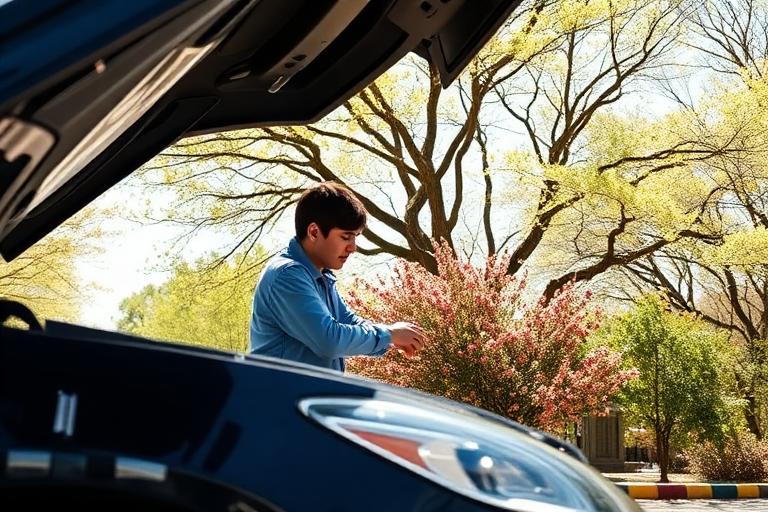
Why Spring Maintenance Matters in Texas
After a Texas winter—with its unpredictable cold snaps, freezing rain, and dusty conditions—your car needs attention before the brutal summer heat arrives. If you followed our winter car care tips, your car is in good shape—now let's prepare for summer.
Spring is the perfect time to:
- Address any winter wear and tear
- Prepare your AC for months of heavy use
- Replace filters clogged with winter dust and pollen
- Check systems that will be stressed by Texas summer heat
Here's your complete spring maintenance checklist.
AC System Check: Your Summer Survival Tool
In Texas, your air conditioning isn't a luxury—it's survival equipment. Don't wait until the first 100°F day to find out it's not working.
Signs Your AC Needs Attention
- Weak airflow: Air barely comes out of vents
- Warm air: AC blows but doesn't cool
- Strange odors: Musty or moldy smell from vents
- Unusual noises: Clicking, grinding, or squealing when AC runs
- Water on floor: Excessive condensation inside the car
DIY AC Checks
Check the cabin air filter (covered below)—a clogged filter restricts airflow dramatically.
Listen for the compressor: Turn on AC to max. You should hear the compressor click on within a few seconds. If not, there may be a problem.
Feel the air: After running for 5 minutes, air from the vents should be noticeably cold (around 40-50°F cooler than outside air).
When to See a Professional
If your AC isn't cooling properly, common causes include:
- Low refrigerant: Usually indicates a leak that needs repair
- Compressor failure: The heart of the AC system
- Electrical issues: Blown fuses, faulty sensors, or wiring problems
- Clogged condenser: Debris blocking airflow
AC repairs are best left to professionals with proper equipment and refrigerant handling certification.
Cabin Air Filter (Pollen Filter) Replacement
This is one of the most overlooked maintenance items—and one of the easiest to fix yourself.
What Does the Cabin Air Filter Do?
The cabin air filter cleans the air that enters your car through the ventilation system. It filters out:
- Pollen and allergens
- Dust and dirt
- Exhaust fumes
- Mold spores
- Leaves and debris
Why Spring Replacement Is Critical
Texas spring means pollen—lots of it. Oak, cedar, and grass pollen can clog your cabin filter quickly. A dirty filter:
- Reduces AC efficiency (makes summer worse)
- Causes musty odors
- Triggers allergies for passengers
- Strains the blower motor
- Reduces airflow to near-zero in severe cases
How Often to Replace
- Every 15,000-20,000 miles under normal conditions
- Every 10,000-12,000 miles in Texas (dust, pollen, heat)
- Immediately if you notice reduced airflow or odors
DIY Replacement (15 Minutes)
Most cabin air filters are easy to replace yourself:
- Locate the filter: Usually behind the glove box or under the hood near the windshield. Check your owner's manual.
- Remove the old filter: Note which direction the arrows point (airflow direction).
- Inspect it: A gray, dirty filter needs replacement. If you can't see light through it, it's definitely time.
- Install new filter: Make sure arrows point in the correct direction.
- Reassemble: Replace any covers or clips.
Filters cost $15-30 at auto parts stores. Shops charge $50-100 for the same job.
Battery Check: Prevent Summer Failures
Winter cold can weaken batteries, but summer heat is what kills them. Spring is the ideal time to check your battery's health.
What to Check
- Age: Batteries over 3 years old in Texas are at risk
- Terminals: Clean any corrosion (white or bluish buildup)
- Connections: Ensure cables are tight and secure
- Case: Look for swelling, cracks, or leaks
Get a Free Battery Test
Most auto parts stores (AutoZone, O'Reilly, Advance Auto) offer free battery testing. They'll tell you:
- Current charge level
- Cold cranking amps (starting power)
- Overall battery health
- Estimated remaining life
If your battery tests weak, replace it now—before you're stranded in July heat.
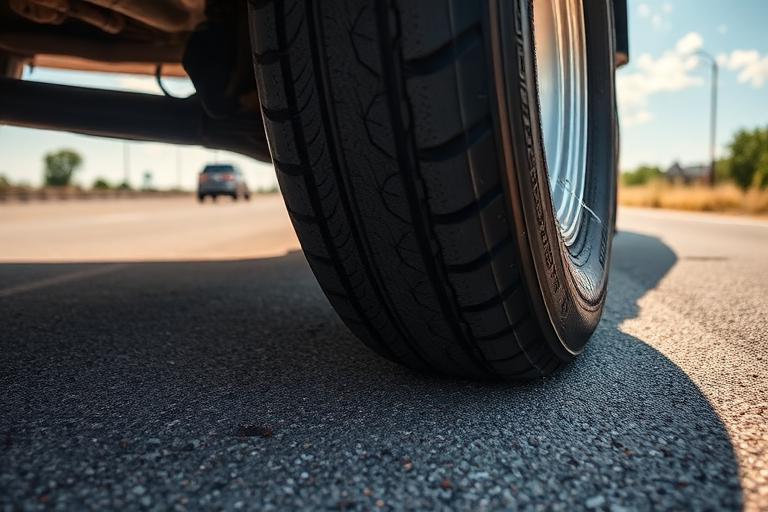
Tire Inspection and Rotation
Your tires took a beating over winter. Potholes, temperature swings, and reduced pressure all cause wear.
Spring Tire Checklist
Check tire pressure: Cold weather deflates tires. Refill to door jamb specifications.
Inspect tread depth: Use the penny test. Insert a penny head-first into the tread. If you can see all of Lincoln's head, you need new tires.
Look for damage: Check sidewalls for cracks, bulges, or cuts. These can lead to blowouts in summer heat.
Check tire age: Tires older than 6 years should be replaced regardless of tread depth.
Rotate tires: If you haven't rotated in 5,000+ miles, now is the time.
Fluid Levels and Condition
Coolant/Antifreeze
Your cooling system will work overtime this summer. Check:
- Level: Should be between min and max marks when cold
- Condition: Should be bright (green, orange, or pink depending on type). Brown or rusty coolant needs to be flushed.
- Leaks: Check under the car for puddles
Windshield Washer Fluid
Spring means bugs, pollen, and road grime. Fill your washer reservoir with a quality fluid that helps break down bug splatter.
Oil
Check your oil level and condition. If you're due for an oil change, do it now before summer puts extra strain on your engine.
Wiper Blade Replacement
Texas winter—even mild ones—degrades wiper blades. Sun, temperature swings, and dust dry out the rubber.
Signs You Need New Wipers
- Streaking or smearing
- Squeaking sounds
- Skipping across the windshield
- Visible cracks or tears in the rubber
- Bent or damaged frames
Replace both front wipers at the same time. Quality wipers cost $15-25 each and take 5 minutes to install.
Exterior and Undercarriage
Wash and Wax
Remove winter grime, road salt (if you traveled north), and accumulated dust. A good wax:
- Protects paint from summer UV damage
- Makes washing easier
- Helps prevent oxidation
Undercarriage Rinse
Many car washes offer undercarriage spray. This removes:
- Winter road treatment chemicals
- Mud and debris
- Salt deposits (if applicable)
This is especially important if you have rust-prone components.
Brakes Inspection
Winter driving can wear brakes faster. Listen and feel for:
- Squealing: Usually indicates worn pads
- Grinding: Metal on metal—immediate attention needed
- Vibration: Warped rotors
- Pulling: Uneven brake wear
If you notice any of these, get your brakes inspected before a summer road trip.
Emergency Kit Update
Check and refresh your emergency kit for warmer weather:
- Water: At least 1 gallon per person
- First aid kit: Check expiration dates
- Flashlight: Fresh batteries
- Phone charger: Portable battery pack
- Sunscreen: Texas sun is brutal
- Jumper cables: Or a portable jump starter
- Basic tools: Screwdrivers, pliers, duct tape
When You Need Roadside Help
Even with the best maintenance, breakdowns happen. If you find yourself stranded in Fort Worth or the surrounding area, we're here 24/7:
- Jump starts for dead batteries
- Lockout service if you lock your keys inside
- Tire changes for flats or blowouts
- Battery replacement on the spot
Call us anytime: (817) 201-9925
Get your spring maintenance done now, and enjoy worry-free driving all season!
Continue Reading
Related Services in Fort Worth
Need help right now? We offer 24/7 professional roadside assistance across Fort Worth and 22 surrounding cities.
Tire Changes Across the Fort Worth Metroplex
We provide tire changes in all 22 cities we serve. Find your city below:
Also available in all cities:
Need Roadside Help Now?
Our team is available 24/7 for jump starts, lockouts, tire changes, and more throughout Fort Worth and the surrounding area.
4.9-star rated — Read 127+ customer reviews