Car Battery Keeps Dying? 7 Reasons Why and How to Fix It
A Jump Start Fixed It... Until Tomorrow Morning
You got a jump start. The car ran fine all day. Then the next morning—dead again. Sound familiar?
If your car battery keeps dying, a jump start is just a band-aid. Something is draining your battery or preventing it from charging properly. Here are the 7 most common causes, from easiest to hardest to fix.
1. You're Leaving Something On
The simplest explanation is often the right one.
Common culprits:
- Interior dome light left on (or a door not fully closed)
- Headlights left on (some cars don't auto-off)
- Phone charger or dashcam plugged into a live outlet
- Trunk or glove box light stuck on
How to check: After parking, walk around the car and look for any lights. Check your trunk and glove box. Unplug everything from 12V outlets.
Fix: Turn everything off. If the battery holds overnight, you found your problem.
2. Parasitic Battery Drain
Even when your car is "off," dozens of systems draw tiny amounts of power—clock, alarm, keyless entry modules. A parasitic drain means something is drawing too much power.
Symptoms:
- Battery dies after sitting 1-3 days
- Battery is fine if driven daily
- No obvious lights left on
Common causes:
- Aftermarket stereo or alarm wired incorrectly
- Faulty relay stuck in the "on" position
- Malfunctioning door switch
- Trunk light that doesn't turn off
How to test: A mechanic can perform a parasitic draw test with a multimeter. Normal draw is under 50 milliamps. Anything over 75-100mA is a problem.
Fix: Identify and repair the circuit causing the drain. This often requires professional diagnosis.
3. Failing Alternator
Your alternator charges the battery while the engine runs. If it's failing, the battery never fully recharges.
Symptoms:
- Battery dies after short trips but is fine after long drives
- Dimming headlights while driving
- Dashboard battery light or charging system warning
- Whining or grinding noise from the engine area
- Burning rubber smell
How to test: Have your alternator output tested. It should produce 13.5-14.5 volts while running. Most auto parts stores test this for free. Learn more in our alternator check guide.
Fix: Replace the alternator. Running on a bad alternator will destroy your new battery too.
4. The Battery Is Simply Old
Car batteries in Texas last 2.5-4 years on average. The extreme heat accelerates chemical degradation. If your battery is 3+ years old and keeps dying, it's probably reached end of life.
How to check: Look at the date sticker on the battery. Most batteries have a month/year code.
Fix: Replace the battery. We can test your battery on-site and install a new one if needed. Read our complete guide on what to do when your car battery dies.
5. Corroded or Loose Battery Terminals
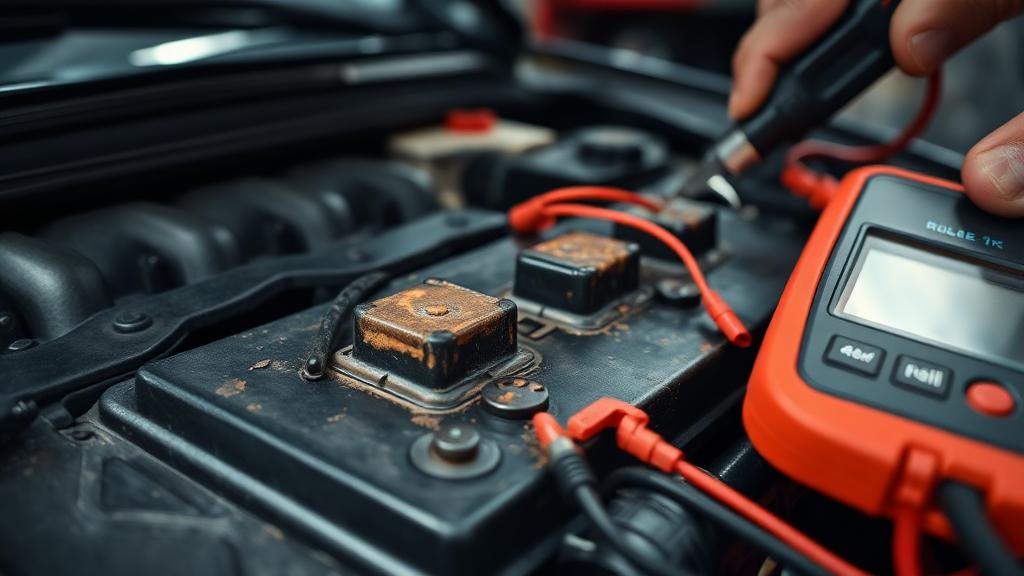
Corrosion builds up on battery terminals over time, especially in humid Texas weather. This creates resistance that prevents proper charging and can cause intermittent no-start conditions.
Symptoms:
- Battery seems fine sometimes, dead other times
- Difficulty starting that comes and goes
- Visible white, green, or blue buildup on terminals
- Loose cable connections you can wiggle by hand
How to fix:
- Remove cables (negative first, then positive)
- Clean terminals with a baking soda and water paste
- Use a wire brush or terminal cleaner tool
- Apply anti-corrosion spray or petroleum jelly
- Reconnect cables tightly (positive first, then negative)
6. Extreme Temperature Damage
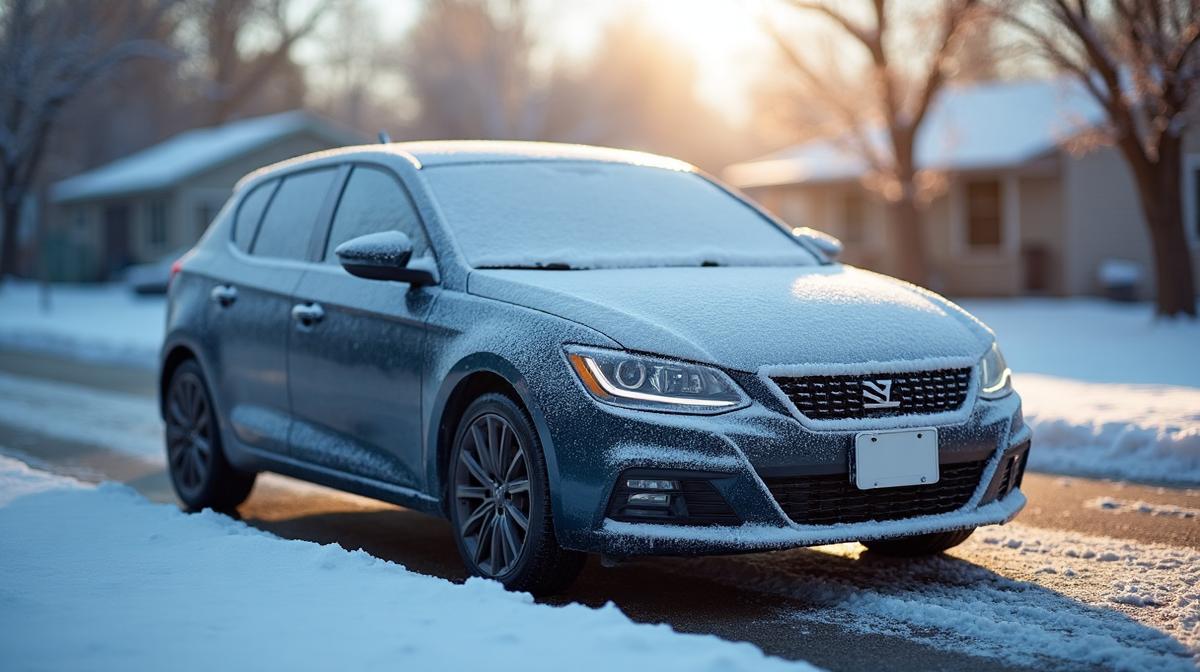
Fort Worth summers routinely hit 100°F+. That kind of heat destroys batteries from the inside out by evaporating the electrolyte fluid and accelerating internal corrosion.
Why Texas is hard on batteries:
- Heat degrades batteries 2x faster than cold
- A battery weakened by summer heat often dies in the first cold snap
- Parking in direct sun accelerates the damage
Prevention:
- Park in shade or a garage when possible
- Get your battery tested before summer and before winter
- Replace proactively at 3 years in Texas—don't wait for failure
7. Short Trips Are Killing Your Battery
If you only drive 5-10 minutes at a time, your alternator never fully recharges the battery. Each short trip drains a little more than it puts back.
Who's at risk:
- People who only drive to the store and back
- Work-from-home drivers who rarely use the car
- Vehicles that sit parked for a week or more
Fix:
- Take a 20+ minute drive at highway speed once a week
- Consider a battery maintainer/trickle charger if the car sits for long periods
- Make sure nothing is draining the battery when parked (see #1 and #2)
When to Replace vs. Keep Troubleshooting
Replace the battery if:
- It's 3+ years old in Texas
- It's failed more than twice
- Load test shows weak or bad result
- It's physically swollen or leaking
Keep troubleshooting if:
- Battery is less than 2 years old
- It tests "good" but still dies
- The pattern suggests a specific trigger (only after sitting, only in cold, etc.)
Get It Diagnosed—Stop Guessing
If you've jumped your car 3 times this month, stop guessing and get a proper diagnosis. Our technicians can:
- Test your battery with professional equipment (not just a voltage reading)
- Check your alternator output to verify charging
- Perform a parasitic draw test to find hidden drains
- Replace your battery on-site if needed
- Advise on whether it's a battery, alternator, or electrical issue
We come to you—home, work, or roadside.
Call: (817) 201-9925 | Text: (817) 201-9925
Available 24/7 across Fort Worth and 22 surrounding cities. No membership required.
Continue Reading
Related Services in Fort Worth
Need help right now? We offer 24/7 professional roadside assistance across Fort Worth and 22 surrounding cities.
Battery Replacement Across the Fort Worth Metroplex
We provide battery replacement in all 22 cities we serve. Find your city below:
Also available in all cities:
Need Roadside Help Now?
Our team is available 24/7 for jump starts, lockouts, tire changes, and more throughout Fort Worth and the surrounding area.
4.9-star rated — Read 127+ customer reviews